How to Run a Weekly Team Check-In That Actually Works
Your weekly check-in follows the same pattern every week: everyone reads their status, the manager nods, and the meeting ends without a single decision made. Here's how to fix it.

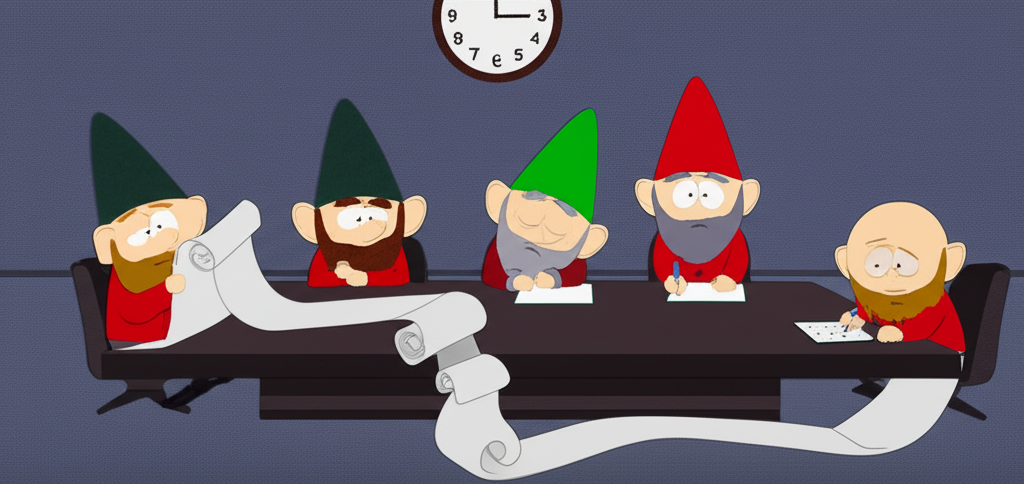
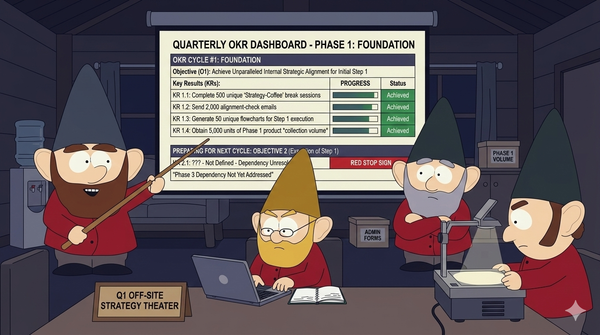
Every Monday, your team gathers for the weekly check-in. One by one, people read their status updates. The manager nods. Someone asks a clarifying question. The meeting ends. No decisions were made. No blockers were resolved. Everyone goes back to work knowing exactly as much as they did before. This meeting could have been a Slack post. And everyone knows it.
The Status Update Trap
Most weekly check-ins are status update meetings in disguise. Each person reports what they did last week and what they plan to do this week. The format is informational, not decisional. It answers "What happened?" but never asks "What should we do about it?"
The problem isn't the information — it's the medium. Written status updates are faster, cheaper, and more referenceable than spoken ones. If everyone can share their status asynchronously before the meeting, the meeting itself becomes available for something more valuable: making decisions, resolving blockers, and adjusting course.
Yet teams keep running status meetings because the format is comfortable. Nobody has to make a hard call. Nobody has to surface an uncomfortable truth. The meeting feels productive because the conversation is productive. But talking isn't progress. Decisions are progress.
Why Bad Check-Ins Are Worse Than No Check-Ins
A bad weekly check-in doesn't just waste 45 minutes. It actively damages execution in three ways.
First, it creates a false sense of alignment. Everyone leaves the meeting thinking they know what's happening. But they heard status updates, not strategic context. They know what people are doing. They don't know why it matters, whether it's on track, or what's at risk. That gap between feeling informed and being informed is where surprises come from at the end of the quarter.
Second, it buries blockers. In a status update format, saying "I'm blocked on X" feels like an admission of failure. People soften it: "I'm waiting on the design team" instead of "This key result will miss its target unless we resolve the design dependency this week." The status format discourages urgency because urgency sounds like panic, and nobody wants to be the panicked person in the Monday meeting.
Third, it kills ownership. When the check-in is just information sharing, nobody feels the weight of their commitments. Reporting "I worked on feature Y" is easy. Being asked, "Will you hit the key result target by the end of the quarter?" is uncomfortable. That discomfort is the point. Good check-ins create constructive pressure to stay honest about progress.
The 25-Minute Check-In Format
Replace your status meeting with a decision meeting. Here's the format:
Before the meeting (async, takes 5 minutes per person): Each key result owner updates their progress score and writes one sentence: "On track," "At risk because [specific reason]," or "Off track — need [specific help]." Post this in your shared channel before the meeting starts.
Minutes 1-5: Scan the board. The facilitator reads the at-risk and off-track items. Skip everything that's on track — nobody needs to hear about things that are working. This immediately focuses the meeting on what matters.
Minutes 5-20: Resolve blockers. For each at-risk item, ask three questions: What's the specific blocker? Who can unblock it? What decision do we need to make right now? If a blocker can be resolved in the room, resolve it. If it needs a follow-up conversation, assign it to a specific person with a deadline. Never leave a blocker in limbo.
Minutes 20-25: Look ahead. What's coming next week that might create new risks? Any dependencies landing? Any deadlines approaching? This is an early warning, not planning. The goal is to see problems before they arrive, not to react after they hit.
That's it. Twenty-five minutes. No round-robin. No status reading. Every minute is spent on decisions and unblocking. If there are no at-risk items, the meeting takes five minutes. Which is exactly the right amount of time for a meeting with nothing to discuss.
Test This Format Next Monday
Before your next weekly check-in, send a message to your team: "Please update your key result status before the meeting. Mark each one as on track, at risk, or off track with a one-sentence explanation." Then open the meeting by only discussing the at-risk and off-track items.
Track two things after the meeting: How many decisions were made? How many blockers were resolved? If both numbers are zero, the meeting didn't earn its time. A good weekly check-in should produce at least one decision and resolve at least one blocker. If it doesn't, either everything is truly running smoothly (rare) or the meeting isn't structured to surface real issues (common).
Give the new format three weeks. The first week will feel rushed and uncomfortable — people aren't used to skipping the status updates. By week three, you'll wonder how you ever spent 45 minutes on something that takes 25.
FAQ
Won't people feel left out if we skip their updates?
The async status update gives everyone a voice — it just doesn't give everyone a stage. People feel valued when their blockers get resolved, not when they get to narrate their week. If someone has a concern that isn't captured by the at-risk format, they can raise it in the look-ahead section or in a direct conversation. The meeting exists to drive progress, not to ensure equal airtime.
How do I keep the meeting from going over 25 minutes?
Appoint a facilitator who is not the manager. The facilitator's job is to keep the conversation on resolution, not exploration. If a blocker requires more than 5 minutes of discussion, it becomes a separate follow-up meeting with only the relevant people. The weekly check-in is a triage session, not a working session. Triage is fast by design.
What if no one is honest about being off track?
That's a culture problem, not a format problem. But the format can help. When the meeting only discusses at-risk items, being at-risk becomes normal — it's just how work is. The facilitator can model this by opening with "Last week I flagged something as at-risk and here's how we resolved it." Once people see that surfacing problems leads to help rather than blame, honesty becomes easier.
Want to Learn More?
Weekly check-ins should drive decisions, not fill calendars. OKRly.ai automates the status update layer — progress is tracked in real time, so your meetings can skip the reporting and go straight to the decisions that move your OKRs forward.