Why Alignment Is a Result, Not a Starting Point
Stop waiting for consensus to start executing. This post explores why alignment is the output of a high-functioning cadence, not a prerequisite for action, and how operators can use OKRs to forge clarity through friction.

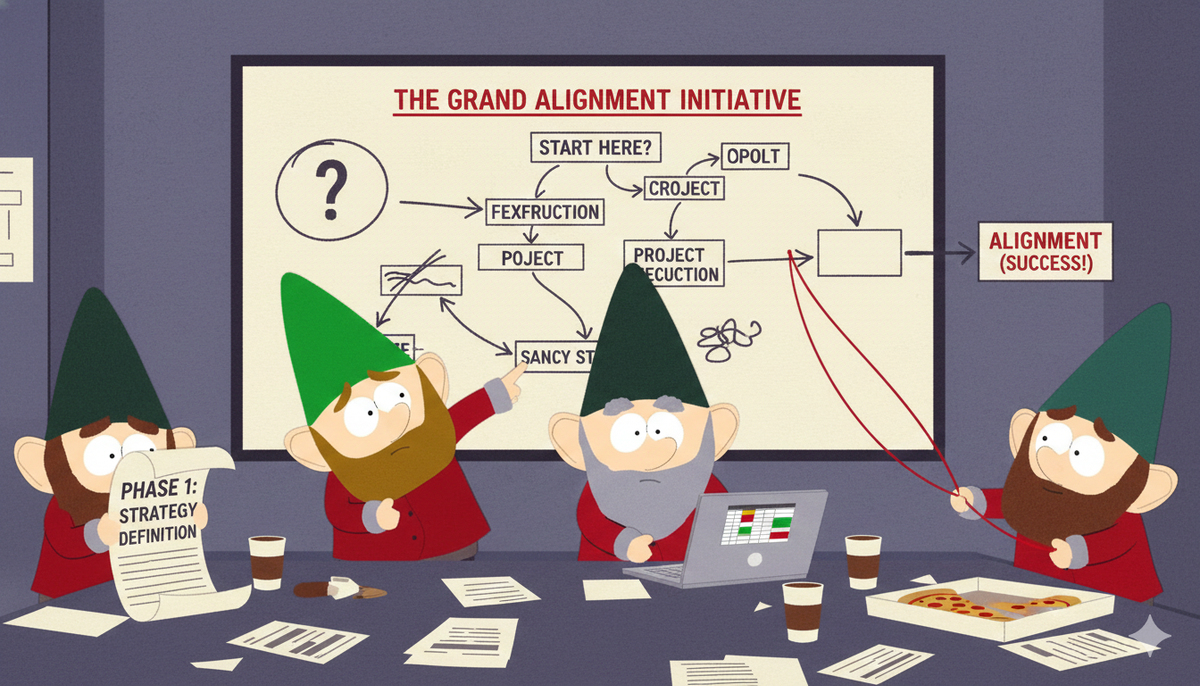
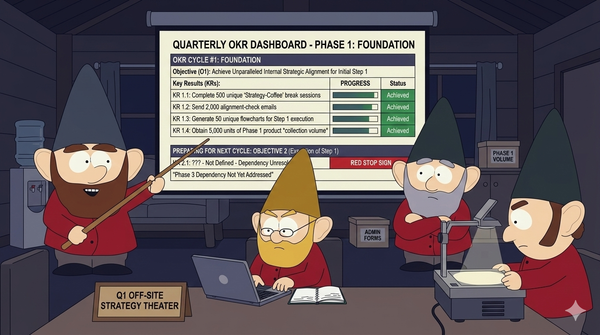
Many leadership teams delay execution because they "aren't aligned yet." They spend weeks in off-sites, tweaking slide decks and wordsmithing vision statements. They assume that if they can just get the words right, the work will follow.
This is backward.
In high-growth companies, alignment is not a prerequisite. It is the output of a high-functioning execution engine. You do not think your way into alignment; you operate your way there.
The Alignment Trap
The common mistake is treating alignment as a state of mind. Founders and COOs often wait for 100% consensus before moving. This creates a "consensus tax" that slows the company down.
Real alignment is about clarity of trade-offs. It is knowing that even if a Department Head disagrees with a priority, they understand the "why" and are committed to the execution. This is the difference between agreement and alignment.
When you treat alignment as a starting point, you invite:
- Analysis Paralysis: Waiting for perfect data that never arrives.
- Watered-down Objectives: Writing OKRs that are so broad they offend no one, but guide no one.
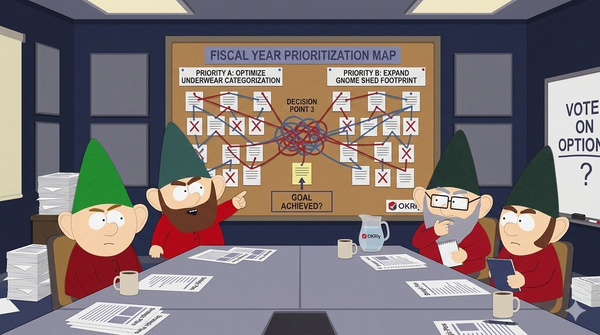
- Delayed Friction: Realizing three months too late that two teams are moving in opposite directions because they never tested their assumptions against reality.
Execution Forges Alignment
Alignment happens when teams are forced to interact with the same set of constraints. This is where OKRly.ai off-sites shifts the focus from tracking to operating.
When you set a measurable Key Result, you aren't just setting a target. You are defining what "winning" looks like in a way that is impossible to misinterpret. The friction that occurs during the first three weeks of a quarter—where teams realize their dependencies are mismatched—is actually the alignment process in action.
The Role of the Operating Cadence
The most effective way to produce alignment is through a rigid, predictable cadence.
- Weekly Check-ins: These are not status updates. They are "alignment correction" meetings. If a Key Result is off-track, the friction between teams should be resolved immediately, not at the end of the month.
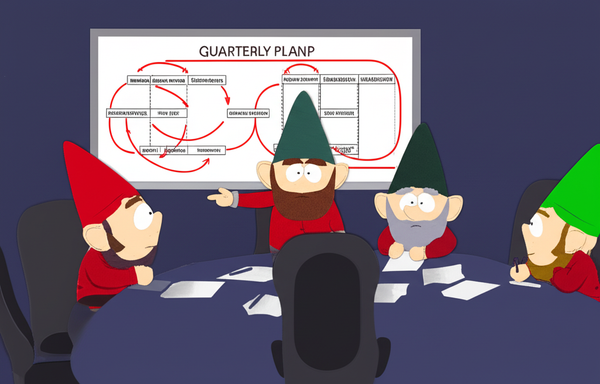
- Monthly Reviews: These look at the "Coil Model"—how the tactical turns are feeding the strategic core.
- Quarterly Resets: This is where you take the lessons from the "friction of execution" and bake them into the next set of objectives.
If you don't have a cadence, you don't have alignment. You have a collection of people working on things they hope are important.
Why Teams Get This Wrong in Practice
Most operators fail here because they view "disagreement" as "misalignment."
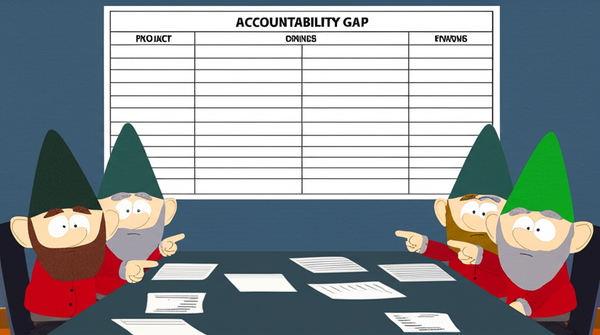
Conflict is actually a signal that you are getting closer to the truth. If two leads are arguing over resources for a specific OKR, they are aligned on the OKR being the priority. The problem arises when teams work in silos, and there is no friction because there is no shared goal.
Failure Modes: When Alignment Doesn't Happen
Even with OKRs, alignment can fail. Usually, it's due to one of three things:
- The "Set and Forget" Mentality: Writing OKRs and checking them 12 weeks later. This isn't an operating system; it's a graveyard for intent.
- Lack of Edge Case Planning: Not discussing what happens if the primary objective fails.
- Shadow Priorities: When a CEO says OKR A is the priority, but rewards the team for OKR B.
How Alignment Changes by Company Stage
- Seed/Series A: Alignment is tribal. It happens via proximity. You don't need heavy systems, just a shared dashboard.
- Series B/C: Alignment becomes a structural challenge. This is where "alignment as a result" becomes critical. You need an AI-native system to surface the gaps that humans are too busy to see.
- Enterprise: Alignment is a data problem. It requires automated roll-ups and proactive flagging of "at-risk" objectives before they impact the bottom line.
FAQs
How do I know if my team is actually misaligned? Ask three different leads to name the company's top three priorities for the month. If the answers don't match, you have a clarity problem. If they match but the teams aren't collaborating, you have an execution problem.
Should we stop work to get aligned? Rarely. Usually, you should narrow the scope of work and increase the frequency of check-ins. Shrinking the feedback loop solves misalignment faster than a three-day offsite.
How do OKRs help with cross-functional alignment? They force teams to acknowledge dependencies. If Marketing has an OKR to "Generate 500 Leads" and Sales has an OKR to "Close 50 Deals," but they haven't agreed on the definition of a Lead, the friction in their first weekly check-in will force that alignment.
Stop waiting for everyone to agree before you start moving. Alignment is the result of moving together, hitting walls, and adjusting course in real-time. Use a system that forces this clarity every day.
If you want to stop chasing alignment and start producing it, let AI manage the friction for you. See how OKRly.ai drives alignment through execution.
FAQ
If alignment is a result, what's the starting point?
Clear strategic choices. Alignment doesn't come from alignment meetings — it comes from leadership making unambiguous choices about what matters most and what doesn't. Once those choices are made and communicated, alignment emerges naturally as teams orient their work toward the same priorities. Skip the choices and no amount of meetings will produce alignment.
How do you know when you've achieved alignment?
When two teams facing a new decision independently reach the same conclusion about what to do. That's the test. If teams can make decentralized decisions that reinforce the strategy without needing to check with each other or escalate, alignment is working. If every cross-team decision requires a meeting, alignment is performative.
Can you maintain alignment in a fast-changing environment?
Yes, but only if alignment is around objectives, not plans. Plans change constantly. Objectives should be stable for a quarter. If teams are aligned on the outcome they're pursuing, they can independently adapt their approach as conditions change without losing coherence. Alignment on outcomes is resilient. Alignment on plans is brittle.
Want to Learn More?
You can't schedule alignment into existence. OKRly.ai creates alignment as a byproduct of clear objectives, visible progress, and shared key results — so teams stay coordinated through the work itself, not through meetings about the work.